Macedonia2025 at the SKILLS4JUSTICE Panel: Towards a Sustainable Talent Circulation Model
On February 26, 2026, the panel discussion “From Brain Drain to Talent Circulation: How to Create Sustainable Solutions Together” was held at the Faculty of Economics – Skopje, University “St. Cyril and Methodius” in Skopje, as part of the seminar “Insights from the Fourth Work Package of the Project Partnerships for Skills for Sustainable and Just Migration Models (SKILLS4JUSTICE).”
The discussion focused on the following questions:
How can we retain and develop human capital in a time of increased mobility and global competition for talent?
How can the challenge of brain drain be turned into an opportunity for sustainable development?
Nena Manchev highlighted the need to move from individual success stories to systemic and sustainable solutions. She emphasized that brain drain is not a sign of a lack of talent, but rather of insufficiently developed mechanisms for knowledge absorption. Through structured education and leadership programs, the diaspora can become an active partner in youth development – without necessarily returning physically.


During the panel, Prof. Dr. Goce Andreevski shared a personal perspective on education and professional development abroad. Speaking in a personal capacity, and as a member of the Advisory Council of Macedonia2025, he stressed that ties to one’s homeland are not lost when leaving – on the contrary, they can deepen through active collaboration, professional networking, mentorship, and academic engagement.
Viktor Mizo, also speaking in a personal capacity and serving as Chair of the Board of Directors of the organization, reflected on his 18 years of experience in the U.S. and his decision to return to the country. He noted that returning is a conscious choice to invest the international experience gained into the development of the domestic economy and business culture.
The panel sent a clear message: talent circulation does not mean that everyone must return; rather, knowledge, experience, and networks should continuously flow back and be integrated into the country’s development.
Related News
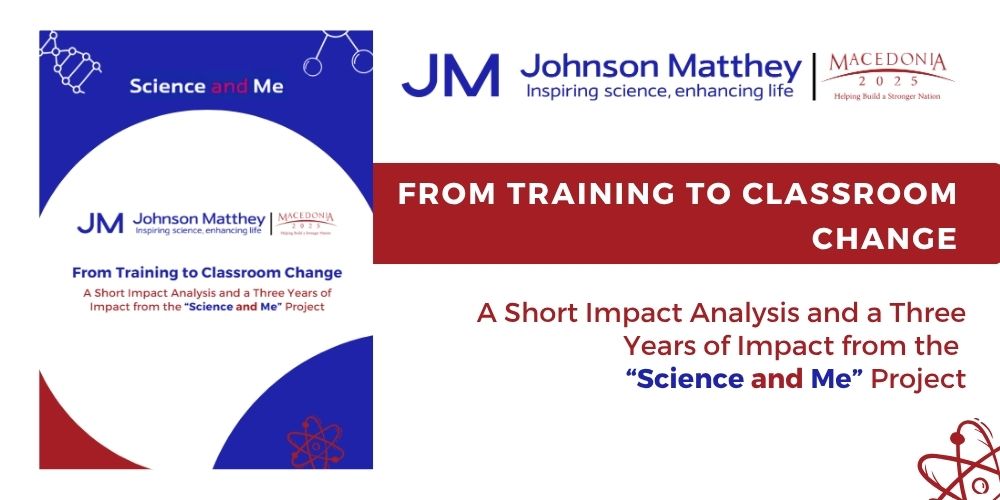
From training to classroom change! Short Impact Analysis of the “Science and Me” project
Macedonia2025 is pleased to share the new Short Impa…
Discover More
Return to Macedonia, Start Your Business, and Access Government Support
Eligible returnees who have lived or worked abroad f…
Discover More
Macedonia2025 and Finelevate Sign Memorandum of Cooperation to Advance Digital Transformation and Innovation
Macedonia2025 and Finelevate signed a Memorandum of …
Discover More